
How to Choose Coloring Pages for Different Age Groups
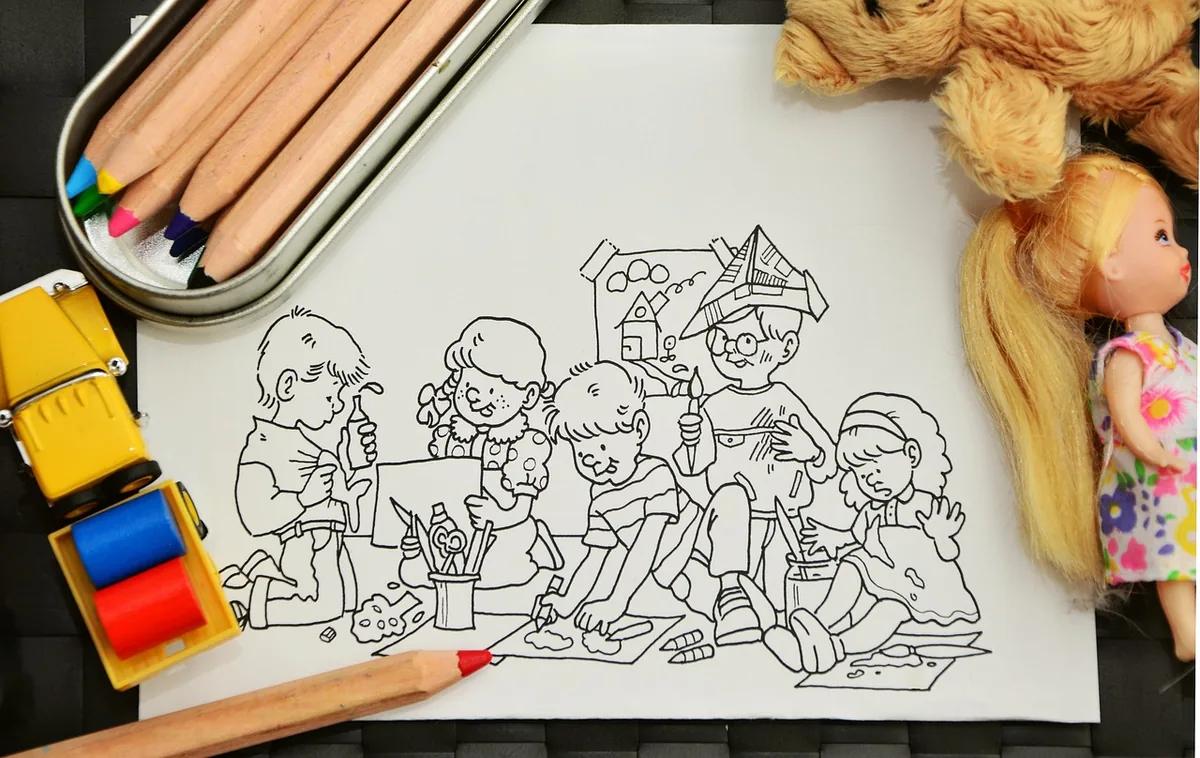
Printable coloring sheets are one of the easiest ways to keep people of all ages busy, but a page that delights a four-year-old can frustrate a seven-year-old and bore a grown adult. Choosing the right design is less about finding the "best" picture and more about matching the drawing to the person who will color it. The right choice depends on line thickness, the number of shapes, the subject, and how much patience the colorist has. Once you know what to look for at each stage, you can browse any collection of free coloring pages and quickly find the ones that will work.
Toddlers and Preschoolers (Ages 2 to 4)
Very young children are still developing their grip and hand control, so their coloring should be about exploration rather than staying inside the lines. Pages for this age need large, simple shapes with thick outlines. Bold borders help a child see where the color should stop, and a wide space inside each shape makes it easier to cover with a chunky crayon or washable marker.
Look for these features when choosing pages for toddlers:
- Single objects such as a ball, a apple, a fish or a truck, rather than busy scenes
- Few shapes per page, usually no more than three to five
- Thick, unbroken outlines with no tiny gaps
- Familiar subjects the child can name, such as animals, vehicles and fruit
- Generous margins so that scribbling outside the lines does not feel like a mistake
Themes matter too. Young children respond well to animals with clear faces, cartoon vehicles and everyday objects. Avoid pages with lots of text, small faces or fine patterns, because these tend to end in frustration rather than fun.
Early Elementary Children (Ages 5 to 7)
Between the ages of five and seven, most children can control a crayon or colored pencil well enough to stay within a shape. This is the stage where they start to enjoy a sense of accomplishment, so pages should be a little more detailed than those for toddlers, but still clear and welcoming. Two or three subjects per page, with simple backgrounds, work well.
At this age, children often enjoy:
- Scenes with a clear story, such as a farm, a garden or a beach with several animals
- Characters from favorite cartoons, drawn with medium-thick lines
- Holiday themes, including Christmas coloring pages with a tree, presents and a snowman
- Pages with repeating patterns that give a sense of progress, such as a row of flowers
Holiday and seasonal themes are especially popular with this group because they connect coloring to something exciting happening in their lives. Simple Christmas scenes or cartoon characters in winter outfits make good choices for December activities.
Older Kids (Ages 8 to 12)
Older children have steadier hands and longer attention spans, so they can handle much more detail. Their interests also become more specific. A nine-year-old might want dinosaurs, space, fantasy creatures or sports, while a ten-year-old might prefer superheroes or vehicles from a favorite movie. Choosing pages that reflect these interests is the best way to keep them engaged.
Matching pages to interests
Transportation coloring pages, such as trains, planes, boats and construction machines, are a strong option for boys and girls alike, because they include clear shapes and plenty of mechanical detail. Animal coloring pages with fur patterns, feathers or scales let older children practice shading and layering. Superhero coloring pages, with dynamic poses and bold costume details, often appeal to this age group too.
Balancing complexity
Even for older kids, avoid pages that are too dense for their skill. A good test is to look at the smallest area on the page. If a child would need to color a space no bigger than a fingernail, the drawing may be too fine for casual coloring. Mandala-style designs or detailed landscapes can be rewarding for this age, but they work best when the child has already finished several simpler pages.
Teens and Adults
Many teenagers and adults enjoy coloring as a calming activity, and the pages they choose are often much more intricate. Adult coloring pages typically feature fine lines, dense patterns, zentangle-style doodles, botanical drawings and detailed mandalas. These designs reward slow, careful work and allow for blending, layering and creative color choices.
When selecting pages for teens and adults, consider:
- The time available, since a complex page can take several hours
- The medium, because fine-tipped markers, gel pens and colored pencils need different levels of detail
- Whether the goal is relaxation, a creative project or a shared activity with family
- Paper quality, as thin printer paper can bleed through with markers
Adults who are new to coloring should start with mid-complexity designs, such as a single flower or a simple landscape, before moving on to highly detailed patterns.
Practical Tips for Any Age
Whatever the age group, a few general habits make coloring more enjoyable. Print on sturdy paper when possible, and test your coloring tools on a corner of the page first. Keep a few backup pages on hand in case a child becomes tired of a theme. Finally, let the colorist choose the palette. A purple horse or a blue sun may look unusual, but creative color choices are part of the fun and a sign that the activity is working.
Matching the page to the person is the simplest rule for choosing coloring sheets. Start with the stage of development, then add the interests and time available, and you will find pages that people want to finish.


